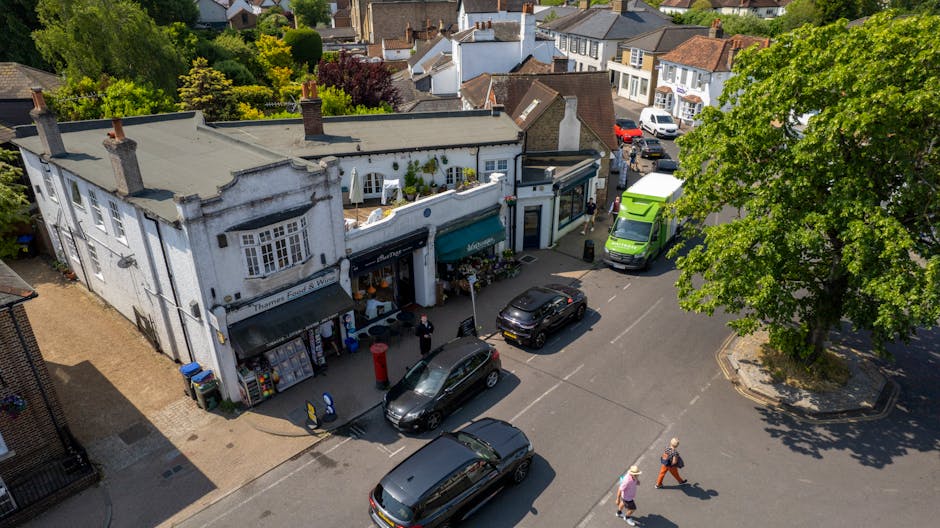
Local gardeners for Penge High Street shops and cafes
If you run a shop, cafe, bakery, salon, or small hospitality venue on or near Penge High Street, you already know the frontage matters. People notice the pots outside. They notice the hanging baskets a bit too. They notice whether the entrance feels cared for, or whether the leaves are clinging on and the planters look like they've had a long week. That is where local gardeners for Penge High Street shops and cafes can make a real difference.
This guide explains what that service actually involves, why it matters for footfall and first impressions, and how to choose the right gardener for a busy commercial setting. It also covers practical upkeep, seasonal planting, common mistakes, compliance basics, and what a sensible working arrangement looks like in everyday life. Nothing fancy for the sake of it. Just the stuff that helps a local business look welcoming, week after week.
And yes, this is about more than "making things pretty". A tidy planter by the door can soften a hard street edge, lift the mood of passers-by, and quietly tell people this place is looked after. In a high-street environment, that counts.
Table of Contents
- Why Local gardeners for Penge High Street shops and cafes Matters
- How Local gardeners for Penge High Street shops and cafes Works
- Key Benefits and Practical Advantages
- Who This Is For and When It Makes Sense
- Step-by-Step Guidance
- Expert Tips for Better Results
- Common Mistakes to Avoid
- Tools, Resources and Recommendations
- Law, Compliance, Standards, or Best Practice
- Options, Methods, or Comparison Table
- Case Study or Real-World Example
- Practical Checklist
- Conclusion
- Frequently Asked Questions
Why Local gardeners for Penge High Street shops and cafes Matters
For a business on a busy street, planting is never just decoration. It is part of the customer experience. A cafe with fresh-looking window boxes, a shop with well-kept pots, or a frontage with seasonal colour tends to feel more inviting before anyone has even stepped inside. That first impression is often made in a few seconds, not minutes.
Local gardeners understand that pace. They know a high street setting is different from a private garden. There's more dust, more footfall, more bins, more people brushing past, and often less room to work. You need planting that can survive real life, not a postcard fantasy. To be fair, that's the whole point.
For Penge High Street in particular, businesses often benefit from planting that helps soften the street scene without getting in the way of entrances, signage, deliveries, or seating. A good gardener can work around these constraints and still make the frontage feel alive. The result is subtle but powerful: cleaner lines, better colour, and a space people want to linger near.
There is also a trust element. Customers tend to read care into small details. If the exterior is looked after, they often assume the same about the inside. Fair or not, that judgement happens all the time. A sensible planting plan helps you stay ahead of it.
For businesses that want a wider property-care approach, it can also make sense to look at related support such as garden maintenance or more specialist commercial gardeners if the site needs regular business-grade attention.
How Local gardeners for Penge High Street shops and cafes Works
Most commercial gardening for small shops and cafes starts with a site visit. The gardener looks at the frontage, light levels, foot traffic, watering access, and the shape of the space. They also check the practical stuff: where planters can sit, how much wind the area gets, whether there's any shade from buildings or awnings, and how much time your team can realistically spend on upkeep. That last point matters more than people think.
From there, the service is usually built around a simple cycle: design or refresh the planting, install or reposition containers, maintain them through the seasons, and replace anything that has failed. In a busy retail environment, the best setups are low-fuss and robust. No one wants a display that looks brilliant for three weeks and then turns tired by the end of May.
Depending on the business, a gardener may also carry out light tidy work around the entrance, deadheading, pruning, feeding, and occasional weed control. Some clients want a fixed monthly visit. Others prefer a heavier seasonal refresh in spring and autumn with smaller check-ins in between. There is no single correct model, just the one that suits the site.
Local knowledge helps because the gardener can work with what the street actually gives you. For example, a sheltered east-facing cafe frontage may support softer, more delicate planting, while a windy, sun-baked stretch near traffic may need hardier species and heavier planters so nothing topples over on a blustery day. Experience shows pretty quickly on jobs like this.
If your business is thinking more broadly about outside areas, the service can also sit alongside landscaping support for a more permanent reset, or seasonal planting where you want the frontage to change through the year without constant rethinking.
Key Benefits and Practical Advantages
There are plenty of reasons businesses look for local gardeners, but the useful benefits tend to be quite practical. Here's the short version: better appearance, less hassle, and a frontage that works harder for you.
- Stronger curb appeal: A neat entrance and healthy planting make the business feel open and cared for.
- Better customer comfort: Greenery can soften hard edges, especially around cafe seating or takeaway waiting areas.
- Lower day-to-day burden: Staff can focus on customers rather than trying to keep plants alive between service rushes.
- Seasonal flexibility: Displays can be changed for spring, summer, autumn, and winter without redesigning the whole frontage.
- Local responsiveness: A nearby gardener can usually react faster to damage, weather issues, or a display that suddenly needs attention.
- Better plant choice: The right species for your site means less failure and fewer ugly gaps. Simple, but effective.
One overlooked benefit is rhythm. A regular gardening schedule keeps the frontage from drifting into that awkward middle ground where it is not quite fine and not quite bad, just a bit neglected. That middle ground is expensive in reputation terms. Customers notice it, even if they never mention it aloud.
Good planting can also support the atmosphere of a cafe or shop. A little rosemary near the entrance, textured foliage in a planter, or bright bedding in summer can make a place feel more memorable. It does not have to be extravagant. Often the most effective displays are the restrained ones.
Who This Is For and When It Makes Sense
This service is a fit for any business that has a visible frontage, small outdoor area, or customer-facing entrance. The obvious examples are cafes, coffee shops, bakeries, delis, florists, salons, and independent retailers. But it can also help pharmacies, estate agents, clinics, takeaway units, and even small offices with a street-level presence.
It makes the most sense when any of the following are true:
- you want a better first impression without a full refurbishment;
- your staff do not have time to look after plants properly;
- the current planters look tired, mismatched, or overgrown;
- the frontage needs to work in different seasons;
- you want the outside to feel consistent with your brand;
- the space is awkward, narrow, or exposed and needs practical planning.
It is also useful if you are opening a new site and need the exterior to look settled quickly. New businesses often focus so much on the inside that the outside gets a rushed finish. Happens all the time. A gardener can help you avoid that slightly makeshift look.
If your site includes more than planters and window boxes, you may also want occasional help with hedge cutting, tree surgery, or even lawn care where relevant to shared outside spaces.
Step-by-Step Guidance
If you are trying to get the most from local gardening support for a shop or cafe frontage, a structured approach helps. It keeps the project grounded and saves money later. Here's a sensible sequence.
- Walk the frontage at different times of day. Morning shade, lunch-time glare, and evening exposure can all change how plants perform. A plan that looks perfect at 10 a.m. might be wilting by 3 p.m.
- Define the job clearly. Are you after one-off planting, regular maintenance, or a full seasonal display plan? If you skip this part, costs and expectations can drift.
- Measure access and constraints. Note doors, pavements, delivery routes, and places where containers must not block movement. Small issue, big headache if ignored.
- Choose the right planting style. Hardy evergreens, seasonal bedding, herbs, ornamental grasses, or mixed containers all suit different businesses and budgets.
- Decide who waters and who checks. If your staff will do the watering, make it easy. If the gardener will manage it, agree the visit schedule and what happens during hot spells.
- Set a maintenance rhythm. Weekly, fortnightly, or monthly visits should match how fast the planting grows and how visible the frontage is.
- Review after the first season. Honest feedback matters. If something failed early, adjust the plant mix or the container position.
A good practical rule: if the plan is too complicated to maintain during a Saturday rush, it is probably too complicated. Simpler usually wins.
You may also want to keep related property areas in step with the frontage. For broader support, pages like garden clearance and grounds maintenance can be relevant where a business manages more than just decorative planters.
Expert Tips for Better Results
There are a few things experienced gardeners tend to do that make commercial displays last longer and look better. These are not glamorous tricks. They are the small, unsexy details that save a lot of frustration.
1. Choose containers that suit the site, not the fantasy
Heavy-duty planters are often the best choice in exposed street settings. Lightweight containers can tip, move, or look cheap after a few months. If the street gets brisk winds or the pavement is busy, stability matters more than style alone.
2. Use plants with different roles
A strong display often mixes structure, colour, and texture. One plant might give height, another interest, another seasonal bloom. That way, if one element is having a bad week, the whole thing still looks intentional. Nature is a bit unruly like that, so a layered design helps.
3. Think about maintenance first
It is easy to choose beautiful plants and forget who is going to deadhead them, water them, and remove tired growth. The most successful commercial planting is the planting that can actually be maintained in the real world.
4. Keep branding in view, but do not overdo it
Greenery should support the business identity, not become a theme park version of it. A cafe might use warm, relaxed planting. A boutique might prefer a cleaner, more architectural look. The point is coherence, not gimmick.
5. Plan for replacement before you need it
In busy roadside settings, plants get damaged. It happens. Weather, pedestrians, moving stock, contractors, a stray delivery trolley - life gets in the way. A sensible gardener will allow for quick replacements so the frontage never looks half-finished for long.
Expert summary: the best commercial planting is attractive, durable, and easy to maintain. If one of those three is missing, the display usually starts drifting backwards after the first decent spell of bad weather.
For some businesses, especially cafes with customers lingering outside, the right planting can also help define the space without needing barriers that feel harsh. It's a small thing, but it changes how the frontage behaves.
Common Mistakes to Avoid
It is surprisingly easy to spend money on commercial planting and still end up with a disappointing result. Usually the issue is not lack of effort. It is one of these common mistakes.
- Choosing plants for looks only: Pretty on day one is not enough if the site is windy, shaded, or dry.
- Ignoring watering logistics: If no one can reliably water the plants, they will fail. Simple as that.
- Blocking entrances or paths: Great-looking planters become a problem if they interfere with customers, wheelchairs, buggies, or deliveries.
- Trying to do too much in too little space: A cluttered frontage can feel noisy and awkward, especially on a narrow high street.
- Skipping maintenance: Even the best planting needs attention. Deadheading and replacement are part of the job, not an optional extra.
- Using a one-size-fits-all approach: One cafe might need colour and softness; another might need tidy structure and low scent. They are not the same.
Another quiet mistake is failing to think in seasons. The display that looks brilliant in June may feel sparse by November. If you only plan for one moment, you end up overcompensating later. Better to design for the whole year, even if the changes are modest.
Truth be told, many frontages fail because no one owns them properly. Everyone notices the plant when it looks bad, but nobody has a clear system for looking after it. That is avoidable.
Tools, Resources and Recommendations
You do not need a huge kit to keep commercial planting in good shape, but a few basics make the work easier and cleaner. A local gardener will usually bring their own equipment, yet it helps to know what is typically involved.
| Tool or resource | Why it helps | Best for |
|---|---|---|
| Watering cans or hose access | Keeps plants hydrated without guesswork | Small frontages, planters, window boxes |
| Secateurs and snips | Useful for deadheading and tidy shaping | Regular maintenance visits |
| Plant feed and mulch | Supports growth and helps retain moisture | Seasonal refreshes |
| Heavy planters | Improves stability in exposed streets | Windier frontage areas |
| Plant labels or a simple care plan | Keeps staff aligned if they help with watering | Shared responsibility setups |
One practical recommendation is to keep a simple record of what has been planted, when it was installed, and how it performed. Not a grand system. Just a note on a phone or a file in the office. When the next season comes around, those notes save time and avoid repeat mistakes.
If the frontage is only one part of your site, it may also be worth exploring fencing and patio cleaning where these affect the overall appearance and customer experience. Small improvements stack up faster than people expect.
Law, Compliance, Standards, or Best Practice
For shops and cafes, the main compliance concern is usually practical rather than technical: keep access safe, avoid creating trip hazards, and make sure anything placed on the pavement does not obstruct movement or emergency access. Local requirements can vary, so if your frontage reaches into public space, it is sensible to check the current local position before installing anything fixed or substantial.
Good practice in commercial gardening also includes:
- keeping paths and entrances clear;
- making sure planters are stable and not likely to tip;
- avoiding slippery overspill from watering;
- choosing plants that do not create unnecessary hazards, such as excessive shedding in tight walkways;
- being careful with any chemical use and following product instructions properly.
If your business has staff carrying out any light maintenance, give them clear guidance. A wet pavement, a trailing hose, or a badly placed pot can become a nuisance very quickly. Nothing dramatic, just the sort of thing that trips people up on a damp Tuesday morning.
Where a gardener works on a business premises, professionalism also means arriving when agreed, protecting surfaces, disposing of waste appropriately, and leaving the site tidy. Those basics matter more than fancy language or polished brochures, honestly.
Options, Methods, or Comparison Table
There are a few different ways to approach planting and maintenance for a shop or cafe. The right choice depends on how visible the frontage is, how much upkeep you want to manage in-house, and how much change you want through the year.
| Approach | Best for | Pros | Trade-offs |
|---|---|---|---|
| One-off planting refresh | New openings, quick improvements | Fast visual impact, lower initial commitment | Needs follow-up care to stay attractive |
| Monthly maintenance | Busy sites with steady footfall | Reliable upkeep, easier to budget | May need extra watering in warm spells |
| Seasonal display rotation | Businesses that want fresh colour changes | Feels current and lively through the year | More planning and occasional replacement work |
| Full frontage redesign | Sites needing a stronger visual reset | Best for long-term impact and consistency | Higher upfront effort and decision-making |
For many Penge High Street businesses, the sweet spot is somewhere between seasonal planting and monthly maintenance. Enough attention to keep things fresh, not so much complexity that the team is always firefighting.
Case Study or Real-World Example
Imagine a small cafe near the high street with a narrow frontage and two tables outside. The owners want it to feel welcoming but do not want a display that blocks walkers or makes staff spend ages watering in the morning rush.
A local gardener starts by looking at the space at midday, when the light is strongest and footfall is busy. The frontage gets a mix of sturdy planters with evergreen structure, a few seasonal flowering plants for colour, and herbs that can cope with a bit of exposure. The containers are heavy enough to stay put, and the plants are chosen for resilience rather than fragility. A small maintenance visit every few weeks keeps dead growth cleared and the display balanced.
What changes? The cafe feels more settled. Passers-by slow down. The outside seating looks intentional rather than temporary. The staff no longer have to guess what to water or which plant has gone over. It is not a dramatic makeover, just a steady improvement that supports trade.
In our experience, that is often how the best commercial gardening works. Quietly. No fuss. Just a frontage that does its job without asking for constant attention.
Practical Checklist
Use this checklist before you book work or agree a maintenance plan.
- Have I defined exactly what needs doing: planting, maintenance, redesign, or all three?
- Do I know who will water the plants between visits?
- Have I checked space, access, and any public walkway concerns?
- Are the chosen plants suitable for shade, wind, and foot traffic?
- Will the plan look good in more than one season?
- Are the containers stable and appropriate for a commercial frontage?
- Do I have a simple schedule for deadheading, pruning, and replacement?
- Have I matched the style to the business brand and customer experience?
- Do I know when the work will be reviewed and adjusted?
- Is there a sensible budget for ongoing care, not just installation?
If most of those answers are clear, you are already ahead of the game.
Conclusion
Local gardeners for Penge High Street shops and cafes offer more than planting and tidying. They help businesses create a better welcome, manage the reality of busy street life, and keep the outside of the premises aligned with the care shown inside. That matters whether you run a coffee stop, a boutique, a local service shop, or a small hospitality space with just enough frontage to make a difference.
The best results usually come from simple thinking: choose plants for the site, keep maintenance realistic, and treat the exterior as part of the customer experience rather than an afterthought. Do that well, and even a modest frontage can feel warm, confident, and properly looked after. That little bit of care travels further than people expect.
Get a free quote today and see how much you can save.
And if you are still deciding, that is fine too. A short conversation with a local gardener is often enough to turn a vague idea into something practical and manageable. Small steps. Good outcomes. That's usually how the best spaces come together.
Frequently Asked Questions
What do local gardeners for Penge High Street shops and cafes usually do?
They usually handle planting, container upkeep, watering plans, seasonal refreshes, deadheading, pruning, and general frontage tidying. Some also help with larger outdoor areas if the business has them.
How often should a shop or cafe frontage be maintained?
That depends on the site and the planting, but many businesses choose weekly, fortnightly, or monthly visits. Busy or exposed frontages often need more frequent checks, especially in warm weather.
Is commercial planting different from residential gardening?
Yes. Commercial planting has to cope with public footfall, branding, access needs, and a more visible appearance. It also needs to be easier to maintain, because staff rarely have time for complex care routines.
What plants work best outside cafes and shops?
Hardy evergreens, seasonal bedding, grasses, herbs, and sturdy container plants often work well. The right choice depends on light, wind, space, and how much maintenance the business wants to take on.
Can a gardener help if the frontage is very small?
Absolutely. Small spaces often benefit the most from smart planting because every inch counts. A good gardener can make a narrow entrance look cleaner, fuller, and more intentional without overcrowding it.
Do local gardeners also provide one-off visits?
Yes. Some businesses only need a one-off refresh before a busy season, reopening, or event. Others prefer ongoing support. Both approaches can work well if expectations are clear.
How do I keep planters looking good between visits?
Keep watering simple, remove dead leaves when you see them, and avoid moving containers around unless necessary. If staff are helping, give them a clear routine rather than vague instructions. That saves a lot of confusion.
What if the street gets a lot of wind or traffic pollution?
Then the planting needs to be tougher and the containers more stable. A local gardener can choose hardier varieties, use heavier pots, and avoid delicate plants that will struggle in those conditions.
Do I need permission to put planters outside my shop or cafe?
That can depend on where the planters sit and whether they affect public space. It is sensible to check the current local requirements before installing anything fixed or substantial on or near the pavement.
How much should I budget for gardening support?
Costs vary depending on the size of the frontage, the number of planters, the planting scheme, and the level of maintenance. A one-off refresh is usually different from an ongoing service, so it helps to ask for a clear scope rather than a loose estimate.
Can gardening help bring more customers in?
It can support footfall by making the business look more welcoming and memorable. It will not solve every marketing challenge, of course, but a cared-for frontage often makes people more likely to stop, glance in, and come closer.
What should I ask before hiring a gardener?
Ask what is included, how often visits happen, what happens if plants fail, who handles watering, and whether the gardener has experience with commercial frontages. Clear answers at the start usually mean fewer surprises later.