Health and Safety Policy — Hedge Trimming Penge
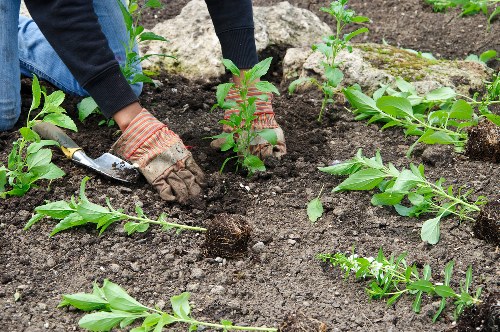 Introduction: This Health and Safety policy sets out the approach and standards for hedge trimming in Penge and the surrounding service area. The purpose is to protect employees, clients, members of the public, and property while delivering high-quality hedge maintenance and hedge cutting services. The policy establishes clear responsibilities, safe systems of work, and a commitment to continuous improvement. The company is committed to ensuring that all tasks are planned, resourced, and supervised to reduce the risk of harm.
Scope and objectives
The policy applies to all staff, subcontractors and visitors engaged in Penge hedge trimming activities, including private gardens, communal areas and light commercial sites within the service area. Objectives include preventing accidents, avoiding occupational ill-health, ensuring safe use of plant and equipment, and maintaining safe work environments. The policy also emphasises the importance of risk assessment, safe systems of work, proper personal protective equipment and regular inspection of tools and machines.
 Risk assessment and planning: Each hedge job must begin with a written or recorded risk assessment carried out by a competent person. Assessments will consider: presence of pedestrians and vehicles, overhead services, hidden hazards (such as glass or wires in hedges), stability of banks and boundaries, and working at height requirements. Plans must specify control measures, permit any required exclusions (e.g. for nesting birds subject to seasonal restrictions), and ensure safe access and egress from the work area.
Roles and responsibilities
Management is responsible for developing the policy, providing resources, ensuring training, and carrying out periodic reviews. Supervisors and team leaders must ensure that the policy is implemented on site and that staff follow safe methods. Employees and operatives are required to work safely, report hazards, use appropriate PPE, and cooperate with safety procedures. Strong communication between field teams and office coordinators is essential to manage changing site conditions.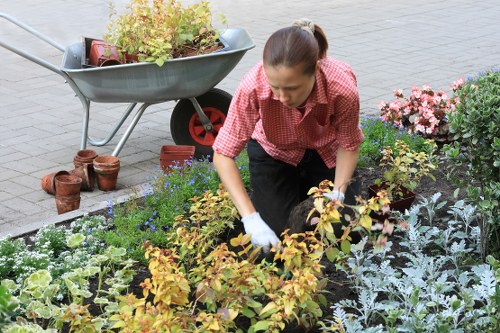 Personal protective equipment and clothing: All staff must wear suitable PPE when performing hedge trimming activities. Typical required items include:
- Protective eyewear to prevent debris injuries;
- Cut-resistant gloves for hand protection;
- Hearing protection when using noisy powered equipment;
- High-visibility clothing when working near traffic or in public spaces;
- Sturdy boots with ankle support and slip-resistant soles.
Equipment and maintenance: Powered hedge trimmers, chainsaws, pole pruners, ladders and mechanical shredders must be subject to daily pre-use checks and routine maintenance schedules. Records of inspections and servicing should be kept. Only trained personnel may operate powered equipment, and safe guarding such as guards and chain brakes must always be in place. Fuel and batteries must be stored and transported safely to prevent spills and fire risks.
Safe working practices: Tasks must be organised to avoid unnecessary risk. This includes setting up exclusion zones, utilising signs and barriers to protect the public, working from stable platforms, and ensuring secure ladder use where required. When working on slopes or close to boundaries, additional control measures such as harnesses or mechanical lifts should be considered. Where noise or airborne debris is a factor, quieter methods and dust suppression techniques are preferred to protect workers and neighbours.
 Traffic and public safety: Work areas near pavements, roads or drives require traffic management measures. These may include banksmen for vehicle movements, cones and warning signs, and temporary closures where necessary. Staff must be trained to manage interactions with the public courteously while enforcing safety perimeters. Vehicles and trailers should be parked to minimise obstruction and provide safe access for teams and equipment.
 Emergency procedures and incident reporting: An emergency plan must be in place for each site covering first aid response, emergency contact escalation, and procedures for dealing with injured persons. All incidents, near misses and unsafe conditions must be reported immediately and recorded. Investigations will identify root causes and corrective actions to prevent recurrence. Training in first aid and emergency response is mandatory for nominated personnel.
Training and competence: Staff competence is central to safe operations. Training programmes include safe use of powered tools, manual handling, working at height, hazard recognition and safe systems of work for hedge maintenance Penge-wide. Records of qualifications, refresher training and on-the-job assessments must be maintained. Apprentices or trainees must be supervised by qualified staff until competent.
Monitoring, review and continuous improvement: The company will monitor compliance through site inspections, audits and review of incident records. The policy will be reviewed at least annually or following significant changes to operations, equipment or legislation. Feedback from staff and operational lessons will be used to update procedures, training and equipment procurement to improve safety across all hedge care services.
Commitment: By following this policy, the organisation demonstrates a proactive approach to reducing harm and delivering reliable, safe hedge trimming and garden maintenance services across the service area. Everyone involved in hedge maintenance has a role to play in maintaining a safe working environment and protecting the communities we serve.