Hedge Trimming in Penge

Hedge trimming in Penge is a straightforward way to keep boundary planting neat, healthy and manageable throughout the year. Our service focuses on shaping overgrown hedges, reducing uneven growth and helping garden edges look well kept without cutting back more than is needed. Whether you want a crisp formal finish or a softer, natural line, we work with the hedge’s current condition and the look you want to achieve.
Good trimming is not only about appearance. Regular, careful cutting helps many hedges stay dense, encourages a cleaner outline and makes future maintenance easier. We can support routine hedge care as part of wider garden upkeep, or handle a one-off visit when growth has got ahead of you. Clear cutting, tidy finishing and sensible advice are central to the work, with the emphasis on practical results that suit the plant and the space.
If you are planning hedge work and want to compare options, you can request a quotation once you have looked through the service information below.
Hedge cutting for regular garden upkeep
Routine hedge trimming is often the best way to prevent a hedge from becoming bulky, patchy or difficult to shape later. We can trim established hedges to maintain their height and width, remove fresh seasonal growth and keep the line even along paths, driveways and garden boundaries. That makes the hedge easier to manage and helps the surrounding garden feel more ordered.
Different hedges call for different approaches. Fast-growing hedges usually need more frequent attention than slower varieties, while decorative hedges may need more precise cuts to keep a sharper outline. We aim to work in a way that respects the plant’s growth habit rather than treating every hedge the same. Where needed, trimming can also be combined with light tidying around the base so the finished result looks complete.
Shaping and finishing
The final shape matters as much as the cut itself. A hedge that leans, bulges in one section or narrows unexpectedly can make a whole garden look untidy. We can reduce that unevenness with careful trimming that follows the natural line of the hedge and brings the sides and top into balance. If a hedge needs a more formal appearance, we can keep the edges sharper; if it suits the garden better, we can preserve a softer profile.
Managing overgrown or uneven hedges

Some hedges need more than light tidying. When growth has become straggly, wide or difficult to control, a more considered cut can restore order without leaving the hedge looking harsh. We look at the current density, height and spread before deciding how much to remove, because taking too much away at once can leave a hedge thin or exposed. The aim is always a finish that is balanced and practical.
In some cases, a hedge that has been left for a long time may need staged reduction rather than one severe cut. That approach can help protect the plant while still improving its size and shape. We can explain the options clearly so you know whether the hedge is better suited to maintenance trimming, careful reduction or a wider tidy-up as part of a garden visit. For dense, awkward growth, a measured approach is usually best.
Useful details can make it easier to plan the work properly. If you are contacting us about hedge trimming, it helps to note the hedge type if you know it, the approximate length and height, and whether the hedge is easy to reach from one side or both. A few clear photos can also help show the condition of the hedge and the level of trimming needed. This keeps the enquiry simple and the quotation more accurate.
Garden clearance alongside hedge work
Sometimes hedge trimming is only one part of what the garden needs. Fallen clippings, cut branches and general overgrowth can leave the area looking untidy even after the hedge itself has been shaped. Where suitable, we can combine hedge work with garden clearance so the surrounding space is left more usable and more presentable. That can be especially helpful when the hedge has been left to grow for a while and there is debris to deal with as well as the trimming itself.
Clearance work may also be useful when hedge growth is blocking access to pathways, borders or outdoor storage areas. By dealing with the cuttings and the surrounding clutter in one visit, the job can feel more complete and less disruptive. If you already know that extra waste will need attention, mention it when you ask for pricing so the scope of the work can be considered properly. If you want to discuss a larger tidy-up, please get in touch.
When extra clearance makes sense
It is often sensible to think about the hedge and the rest of the garden together. A narrow border may need only trimming, while a heavily overgrown boundary may benefit from more general clearance around the base, fence line or adjacent beds. We can talk through the likely workload and help you decide whether hedge cutting on its own is enough, or whether combining services would be more practical for your garden.
Garden maintenance that supports long-term hedge health
Hedge trimming is one part of broader garden maintenance, and regular attention can make future cuts more straightforward. When hedges are included in a planned maintenance routine, they are less likely to become overly thick, top-heavy or difficult to reshape. That can make it easier to keep a consistent outline and prevent the hedge from encroaching on paths, windows or neighbouring spaces.
We can discuss hedge care as part of a wider maintenance arrangement where the garden needs more than a single visit. This may include keeping growth under control across the season, reducing the workload of a later larger cut, or making sure that the hedge remains in step with other outdoor work already being carried out. If you prefer to plan ahead rather than wait until the hedge becomes untidy, a maintenance approach may suit you better.
As well as the cut itself, the timing of the work matters. Some hedges are best trimmed more than once in a growing period, while others benefit from a lighter and less frequent approach. The right interval depends on the plant, the pace of growth and the appearance you want to keep. Where there is any uncertainty, we can talk through a sensible schedule and what level of finish is realistic for your hedge.
How we prepare a hedge trimming quotation

A quotation is usually easier to prepare when the hedge’s size and condition are clear. The most useful information is the approximate length, the maximum height, the amount of shaping needed and whether access is straightforward. If the hedge borders a wall, fence or narrow side passage, that is worth mentioning too, because access can affect the time required and the equipment that is suitable for the job.
We also take account of the finish you want. A simple maintenance trim is different from a more detailed reshaping, and a hedge that needs careful reduction may need a more considered approach than one that is already fairly even. Where the work is part of a bigger garden tidy-up, it helps to say so at the outset. For a straightforward estimate, contact us with the basics and ask for a quotation.
- Approximate hedge length and height
- Current condition: neat, uneven, overgrown or reduced before
- Access to front, rear or side boundaries
- Any extra clearance or waste removal needed
Boundary hedges, privacy hedges and decorative shapes
Not every hedge has the same purpose. Some are there to define a boundary, some provide privacy, and others are grown mainly for appearance. A boundary hedge may need a straight, dependable line that keeps it out of the way of paths or neighbouring spaces. A privacy hedge may need a fuller top and side profile, while decorative planting may call for more detailed shaping to keep the intended design intact.
Because the purpose of the hedge affects how it should be trimmed, we take a practical view of the result you want. A hedge that screens a garden from view should not be cut so hard that it loses its coverage, while a decorative hedge may look best when the line is crisp and symmetrical. We work with the hedge’s role in the garden, not just its current size. That helps produce a finish that is more useful as well as more attractive.
Where the hedge forms part of a formal garden design, the finish may need to match surrounding features such as paving, lawn edges or planted borders. In a more relaxed garden, the same hedge might be better kept neat but less rigid. If you are unsure which style suits the hedge, we can explain the likely options and the difference between light maintenance and more noticeable reshaping.
About Penge
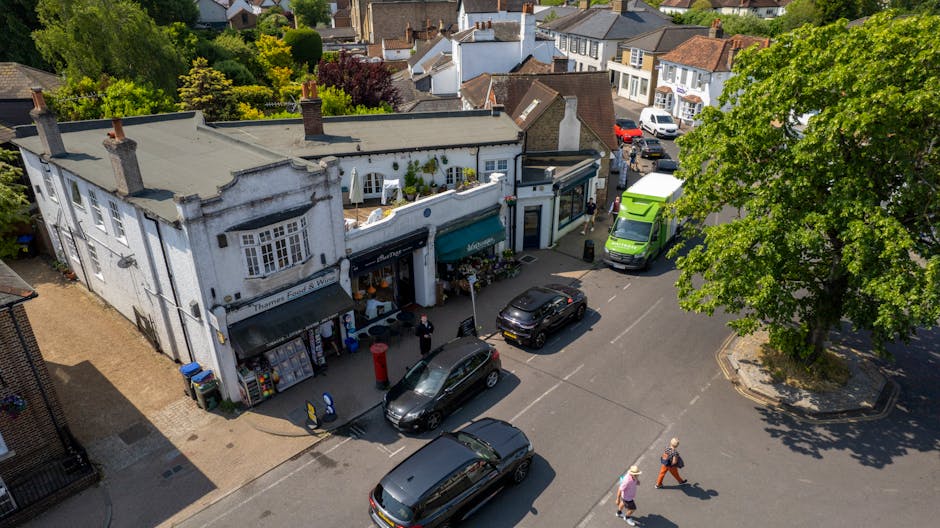
Penge is a district in the London Borough of Bromley, in south-east London, with strong historical links to the growth of suburban rail travel in the nineteenth century. The area developed rapidly after the arrival of the railways, which helped transform it from a more rural edge of London into a built-up residential district. Penge High Street remains a recognisable local corridor, while the surrounding streets show a mixture of Victorian and later housing that reflects the area’s long period of expansion. The district sits close to the boundary with the London Borough of Lewisham and is well connected to neighbouring parts of south London, giving it a character shaped by both local identity and wider urban links.
Tree work, larger reductions and related outdoor tasks

Although hedge trimming is the main service here, some gardens also need related work that falls beyond a standard cut. Where a hedge has grown too tall or too wide, it may need careful reduction to bring it back to a manageable size. In other cases, nearby trees or taller planting may be affecting light, space or access, and a wider garden plan may be more appropriate. The key is to identify the right task rather than forcing every problem into the same treatment.
We can also support the practical side of getting the garden back under control when there is a mixture of hedge growth, branches and general overgrowth. If different areas need attention, it is usually better to consider them together so the finished result feels coherent. That can reduce repeat disruption and help the main hedge sit properly alongside the rest of the garden. For a clear and realistic scope, it helps to explain what else needs doing when you ask for a price.
When a hedge has been cut many times over the years, its structure may be dense in some places and sparse in others. A careful review of the shape can help decide whether the best outcome is a simple tidy or a more substantial reshaping. The right cut should leave the hedge looking intentional, not hurried. If you want the hedge assessed as part of a broader outdoor tidy, we can discuss that too.
What a tidy hedge can do for the garden
A well-trimmed hedge gives structure to the whole garden. It can sharpen the outline of a boundary, keep planting under control and make borders and paths feel more deliberate. Even a modest cut can improve the sense of order if the hedge has begun to spread, lean or encroach beyond its intended line. The result is often most noticeable when the hedge frames lawns, patios or seating areas that benefit from a cleaner edge.
There is also a practical side to keeping hedge growth controlled. When the hedge is maintained regularly, it is usually easier to reach all parts of it, easier to keep balanced and less likely to need an awkward correction later. If your hedge is ornamental, that consistency matters even more because irregular growth can spoil the overall look. The service is therefore about more than shortening branches; it is about maintaining a usable and attractive garden feature.
Use the information on this page to decide whether you need routine trimming, a one-off correction or a combination with other garden work. If you are ready to move forward, ask for a quotation and we can take the next step from there.
Planning hedge trimming in a practical way

Good planning keeps hedge work efficient and helps avoid surprises. It is useful to think about whether the hedge needs a light trim, a fuller reduction or a one-off restoration after a period of growth. You may also want to consider the season, nearby planting and whether any access points are tight. These details do not need to be complicated, but they do help shape a sensible approach to the job.
If you are comparing options, focus on the result you want rather than just the amount of cutting. A hedge can be trimmed lightly to preserve growth, shaped more firmly to restore a line, or reduced where it has become too dominant for the space. We can talk through those choices and explain what each one is likely to achieve. That makes it easier to choose an approach that suits both the garden and your priorities.
Need hedge trimming in Penge? Send over the basic details, ask for a quotation and we will help you plan the work in a clear, practical way.